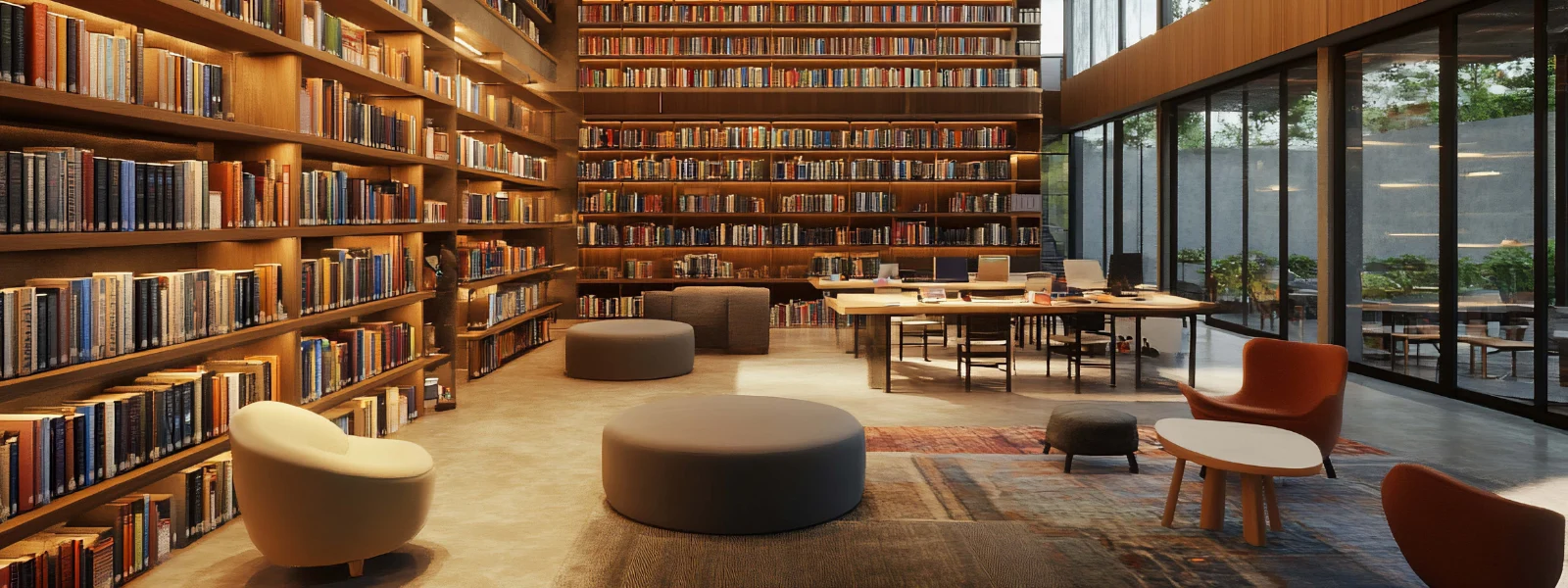
School libraries are entering a new era. Once quiet study rooms, they are being transformed into multifunctional learning environments that support collaboration, creativity and digital literacy. To make this possible, modular furniture has emerged as one of the most effective and forward-thinking design solutions.
Modular furniture allows schools to adapt spaces easily for reading, group work, digital learning or creative workshops, without costly renovations. For schools looking to modernise their facilities, modular design offers flexibility, sustainability and long-term value.
Why Flexibility Matters in Today’s School Libraries
Education is evolving alongside international trends such as digital transformation, personalised learning and hybrid education. These changes require school libraries to play many roles at once: quiet reading zones, technology hubs and collaborative learning spaces.
Traditional fixed furniture can’t easily support these varied uses. Modern students need environments that adapt to their needs. This is where modular furniture becomes essential, allowing libraries to transform quickly between different functions.
What Is Modular Furniture?
Modular furniture is made up of individual units—such as tables, chairs, and shelves—that can be rearranged and reconfigured into different layouts. Each module can function on its own or as part of a larger system.
This flexibility enables school libraries to:
- Switch from quiet study zones to collaborative setups.
- Rearrange seating for presentations or events.
- Adjust space usage depending on student needs or class size.
The result is a library that adapts to people—not the other way around.
The benefits of modular furniture for school libraries
1. Adaptability for Different Learning Styles
Every student learns differently. Modular setups support visual, auditory, and kinesthetic learners by offering varied spaces—quiet nooks for concentration, open tables for group work, and creative zones for project-based learning.
2. Space Efficiency in Compact Environments
Many schools, particularly in urban centres, have limited library space. Modular systems make use of every square metre, so that a single room can serve multiple purposes, reading, collaboration and digital learning, within the same day.
3. Promoting Collaboration and Engagement
Moveable tables, stackable chairs, and mobile shelving foster teamwork and creativity. These features help students form discussion groups or rearrange setups easily, enhancing participation and engagement.
4. Sustainability and Long-Term Use
Many modular furniture systems use recyclable materials and replaceable components, reducing waste and saving costs over time. Schools can swap out a single module instead of replacing an entire set—making this approach both eco-friendly and cost-effective.
5. Easy Maintenance and Upgrading
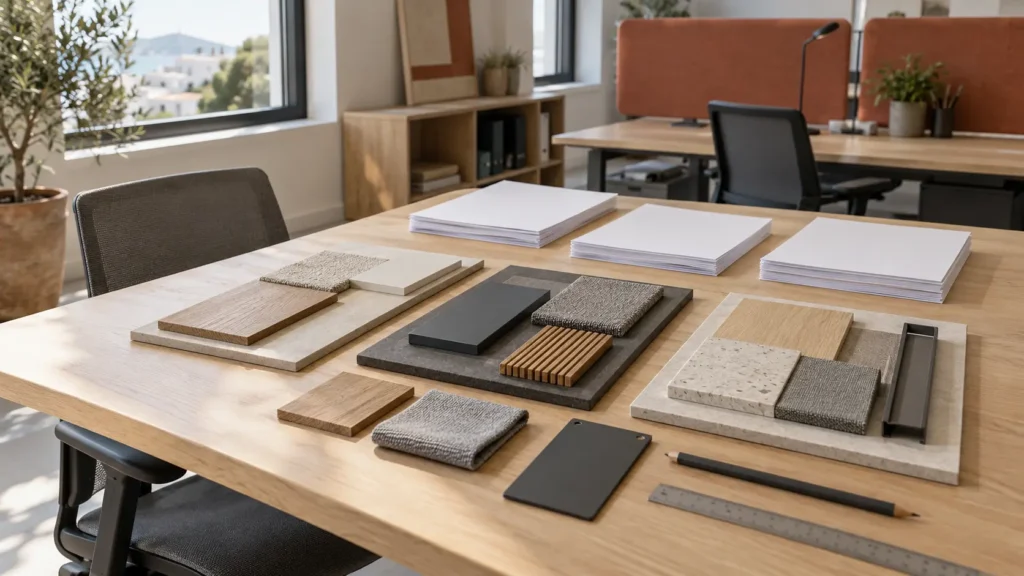
In the warm Mediterranean climate, durability and easy cleaning are a priority. Materials such as veneered wood, painted metal and high-density polymers offer resilience and low maintenance requirements.
Moisture-resistant, UV-stable laminates also deliver long-lasting performance.
When technology upgrades are needed, modular units can also be fitted with charging ports or cable management systems—a growing trend in school furniture across Europe.
Key Modular Furniture Pieces for Modern School Libraries
- Mobile Shelving Systems – Allow librarians to rearrange book collections or clear floor space for events.
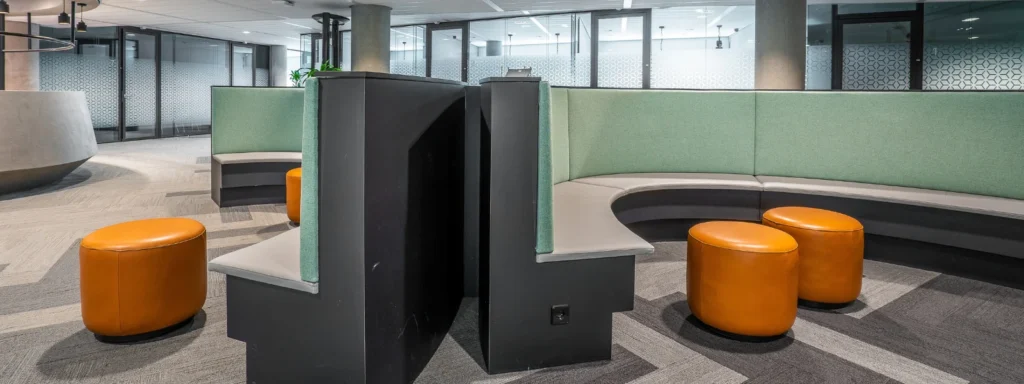
- Flexible Seating – Poufs, benches, and bean bags support informal reading and social interaction.
- Collaborative Tables – Modular hexagonal or round tables with integrated power outlets are ideal for digital group projects.
- Compact Study Pods – Small study cubicles create personal spaces for focus and can help reduce noise without isolating students.
- Height-Adjustable Desks – Suitable for different age groups and learning activities.
- Modular Makerspace Units – Movable workstations and tool storage for schools integrating STEM and STEAM programs.
Design tips for school libraries
When designing a modular library, it is worth considering:
- Climate-Resilient Materials: Use UV-protected and moisture-resistant finishes suitable for warm weather.
- Natural light: reading zones near windows, to make the most of the sunlight.
- Cultural inclusion: corners that showcase Greek and international literature, reflecting the diversity of the school community.
- Accessibility: Choose adjustable furniture to accommodate students of all ages and abilities.
The goal is to create a comfortable, inclusive, and culturally aware environment that promotes curiosity and lifelong learning.
Partnering with Local and European Suppliers
Many schools choose European education furniture manufacturers, known for their ergonomic and sustainable design. Working with an experienced supplier that also takes care of the design study offers additional advantages:
- Faster delivery and installation.
- Access to customizable designs that fit specific room dimensions.
- Reliable after-sales service and local support.
Partnering with professional interior designers or library planners ensures layouts that meet both educational and safety standards.
The Role of Modular Design in Future-Ready Libraries
Modular furniture aligns with the vision of 21st-century learning environments. As schools increasingly adopt digital learning tools, libraries need to remain flexible so that they can:
- Integrate technology hubs and digital reading areas.
- Support hybrid and blended learning.
- Host STEAM and creative workshops.
A modular layout enables libraries to evolve with these trends without costly renovations, making them ready for future educational needs.
Conclusion
Modular furniture transforms school libraries into dynamic, flexible, future-ready spaces.
It offers the adaptability needed for modern teaching, encourages collaboration, and helps schools use their space more efficiently.
If your school is planning to upgrade its library or learning environment, Studio Office can help design and furnish a space that reflects your educational vision — functional, inspiring, and built to last.